
Beyond the Screen: Students on AI and the Dangers of Deepfakes
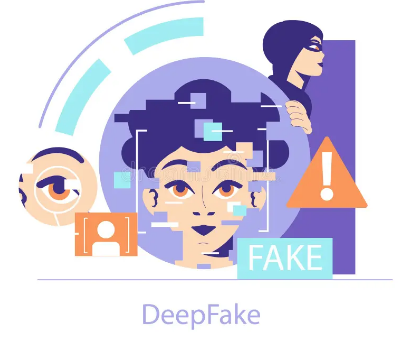
As digital technology becomes more sophisticated, the line between reality and artifice is increasingly blurred. Two topics at the forefront of this new media landscape are Artificial Intelligence (AI) and deepfakes. While AI offers unprecedented tools for learning and efficiency, it also presents challenges to traditional skills and employment. At the same time, deepfake technology poses a serious threat to personal security and the very nature of truth (Rouhaina Dib: youssef ben tachafin).
To navigate these complex issues, it is essential to listen to the perspectives of those who have grown up with this technology. Students offer critical insights into both the potential and the peril of these powerful new tools.
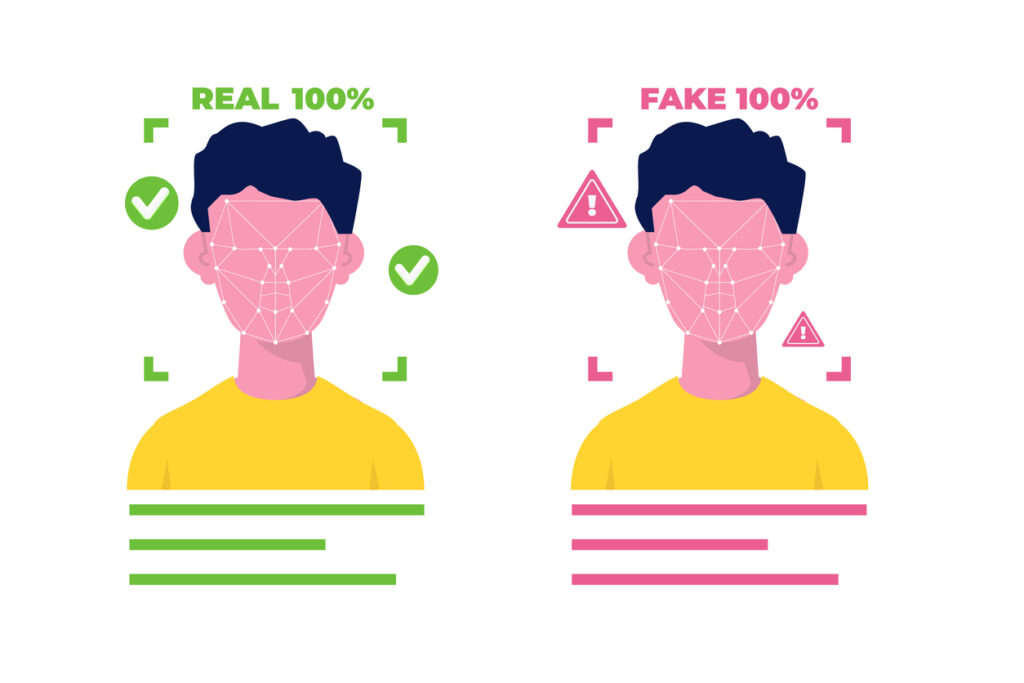
On the Double-Edged Sword of Artificial Intelligence
Artificial Intelligence is broadly defined as the capacity of a system to interpret data, learn from it, and use that knowledge to adaptively achieve goals. For students, the benefits are clear, with AI offering personalized learning, smart tutoring, and automated assessments to make education more effective (Fatima Zahra Badaoui + Abdallah Badaoui Ask them) .
However, the students also recognize the significant downsides. An over-reliance on AI can lead to weakened human skills, increased unemployment, and a potential stagnation of human improvement. This creates a paradox where a tool designed for progress could inadvertently hinder it.
On the Threat of Deepfakes
Rayhana Dib explains that deepfakes—synthetic media created to realistically imitate human features—represent one of the most severe media dangers today. While they can be used for entertainment, their potential for misuse in spreading misinformation and committing personal attacks is enormous.
“Deepfakes are synthetic or fake media created to generate human faces, voices or other features… It’s mainly used for Entertainment and naturally, it has many gave risks such as Identity theft , privacy problems, spreading misinformation and so on, but in my opinion the most serious and servere problem is blackmail. Since there is almost no telling if it’s real or fake, many lies and false information would be spread with your voice with your face, and this com obviously be used as blackmail material to threaten you or your family.”
Rayhana D. (High School)
On Staying Safe in a Digital World
In response to the threats posed by deepfakes, Romaissa A. offers practical advice for developing digital literacy and a critical eye. She emphasizes that awareness and verification are the best defenses against being deceived by manipulated content.
“Deepfake is a video or image that has been manipulated using artificial intelligence to create fake but realistic content. it can be used for various purposes, including creating humorous videos or deceiving people. And to be safe from this type of content, we could: verify sources. look for inconsistencies, check for context, use fact-checking websites, be cautious of sensational content.”
Romaissa A. (High School)
The modern media environment is a world of immense opportunity and significant risk. Technologies like AI and deepfakes are not inherently good or bad, but their impact depends on how they are used and understood. The call for critical thinking, source verification, and a cautious approach to sensational content is more important than ever to navigate this evolving digital frontier safely and responsibly.