
Unpacking the Digital Maze: Media's Hidden Dangers
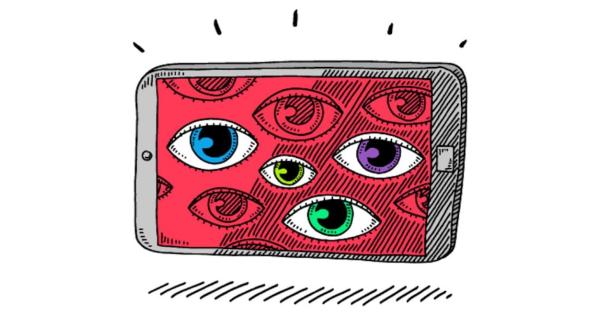
In the modern world, media is more than just a source of information; it’s the framework through which we see and interact with society. While it offers connection and knowledge, it also presents a complex web of challenges that can distort reality, harm individuals, and shape our behavior in subtle ways.
From systemic issues like media bias to personal threats like cyberbullying, the dangers are multifaceted. To truly understand these risks, it is vital to listen to the voices of those navigating this landscape every day. Student perspectives reveal a sharp awareness of the hidden mechanics and profound impacts of modern media.
On the Distortion of Reality
One of the most fundamental problems in media is bias, which can subtly shape public opinion by presenting a skewed version of reality. This isn’t just about mistakes in reporting; it’s a deliberate framing that serves specific interests, making it crucial for consumers to be critical of their sources.
“Media Bias refers to the tendency of media outlets to present news and information in a way that reflects their own political, ideological, or corporate interests, rather than presenting facts in an objective and in partial manner. This bias can manifest in various ways, such as selective reporting, framing stories with a particular language favoring certain viewpoints over others… it’s important for consumers of news to be aware of media bias and see multiple sources to form a more be lanced understanding”
(Ayoub Laamech + Youssf Laamech)
On the Personal Toll
Beyond the information itself, the interactive nature of modern media creates direct threats to personal well-being. Harassment and cyberbullying have become serious issues that transcend the digital screen, causing genuine emotional and psychological harm to victims.
“Harassment & cyberbullying are serious issues that affect individuals worldwide… it can occur through social media platforms or text messages, emails, and can include behaviors such as sexual harassment. This can lead to feelings of fear, anxiety or isolation in victims. The solution proposed is to provide support for victims and raise awareness about the importance of positive and respectful online interactions”
Ikram Qaïdi (High School)
On the Engines of Engagement
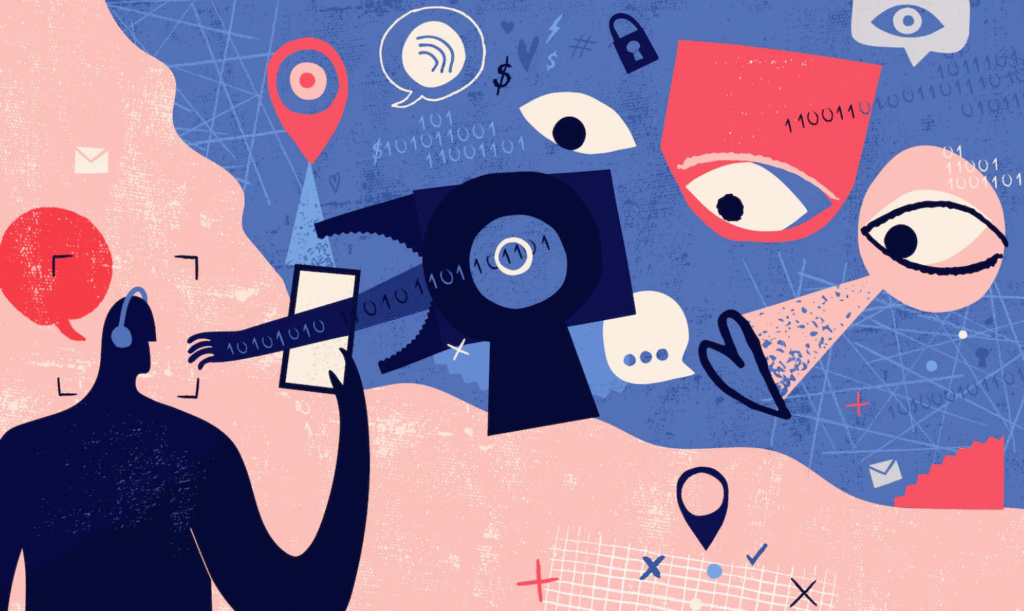
Behind the content we see, powerful algorithms are constantly at work. Alae Ahadome and Achraf El Mortaji describe how these systems are designed not just to share information, but to hold our attention for as long as possible, personalizing our experience to maximize engagement and, ultimately, revenue.
“Social media platforms Keep us engaged by continuously improving their algorithms, these algorithms track various user behaving, such as likes, comments, shares and time spent on content, to better understand individuals’ preferences. By personalizing feeds and suggesting content tailored to catch user, platforms ensure that users are more likely to interact with people that match their interests. This constant fine-tuning of the algorithm encourages users to spend more time on the app boasting engagement and driving higher ed revenue for the platform”.
Alae Ahadome and Achraf El Mortaji (High School)
These student insights highlight three distinct layers of media danger: the systemic bias in information, the direct harm to individuals, and the technological manipulation designed to keep us engaged. Their perspectives serve as a powerful reminder that digital literacy is not just an academic skill but an essential tool for navigating the modern world safely and consciously. By understanding these challenges, we can become more critical consumers and more responsible digital citizens.